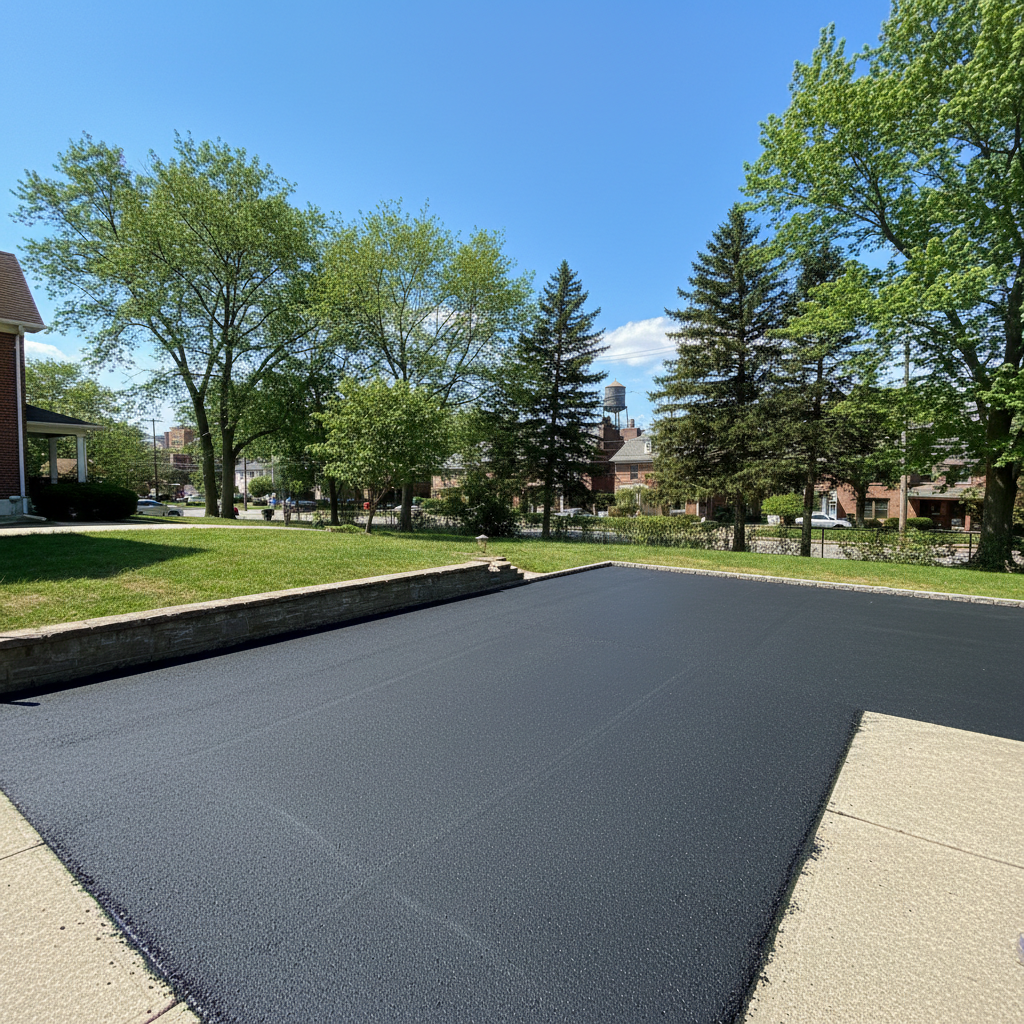
So, you’ve invested in getting your asphalt repaired—maybe a new patch, some crack filling, or even a full resurface. That’s great! But the job isn’t done just because we packed up our equipment. You gotta protect that investment, especially with the kind of weather we get here in the Bronx.
Extend the Life of Your Asphalt Repairs
Look, asphalt isn't indestructible. It's tough, sure, but it needs a little love to really last. The biggest thing you can do to extend the life of any repair work is to keep up with preventative maintenance. Think of it like changing the oil in your car – you do it to prevent bigger, more expensive problems down the road.
- Sealcoating is Your Best Friend: I can’t stress this enough. After a repair, especially if it's a larger area, sealcoating is crucial. It puts a protective barrier over the asphalt, shielding it from UV rays, water, oil, and chemicals. Here in New York, we get pretty harsh winters with freeze-thaw cycles that can wreak havoc. A good sealcoat every 2-3 years, depending on traffic, makes a huge difference. It's like sunscreen for your pavement, really.
- Drainage, Drainage, Drainage: Water is the enemy of asphalt. If water is pooling on your driveway or parking lot, it's going to find its way into cracks, expand when it freezes, and then you’ve got potholes. Make sure your gutters are clean. If you see areas where water consistently sits, you might need to consider some minor grading work or even a small drain installation. This is especially true in areas like City Island where you're closer to the water table.
- Mind Your Loads: Heavy vehicles, especially those with sharp turns, put a lot of stress on asphalt. If you’ve got delivery trucks or heavy equipment regularly on your property, try to designate specific routes or parking areas to minimize impact on newly repaired sections.
Regular Maintenance You Can Do
You don't need to be an asphalt expert to do some basic upkeep. A little bit of effort goes a long way:
- Keep it Clean: Sweep off dirt, leaves, and debris regularly. Organic matter can hold moisture against the asphalt, and grit can accelerate wear. Plus, it just looks better, doesn't it?
- Address Spills Immediately: Oil, gas, and other chemicals can soften and degrade asphalt. If you see a spill, clean it up as soon as possible. Use an absorbent material like cat litter, sweep it up, and then scrub the area with a stiff brush and a mild detergent. Rinse thoroughly.
- Inspect for Cracks: Walk your property every few months, especially after winter. Look for new cracks or existing ones that have widened. Small cracks are easy and cheap to fix with a crack filler. Left alone, they turn into potholes.
Warning Signs You Can't Ignore
Your asphalt will tell you when it's in trouble, you just gotta know what to look for. Don't wait until it's a major headache.
- Alligator Cracking: This looks like a series of interconnected cracks, resembling an alligator's skin. It means the base layer underneath is failing, and water is getting in. This isn't just a surface issue; it’s a sign of structural weakness.
- Potholes: Obvious, right? But even small potholes grow fast. They're a tripping hazard and can damage vehicles. They start as small cracks that water gets into, freezes, expands, and then traffic breaks away the weakened asphalt.
- Fading and Discoloration: If your asphalt is looking gray instead of black, it means the binder is oxidizing and losing its flexibility. This makes it more brittle and prone to cracking. That’s a clear sign you need sealcoating.
- Standing Water: As I said before, water is the enemy. If you see puddles that don't drain, it's a problem.
- Raveling: This is when the aggregate (the small stones) starts to come loose from the asphalt surface. It makes the surface rough and uneven and indicates the asphalt is deteriorating.
When to Call a Professional
While you can handle some minor maintenance, there are times you absolutely need to call in the pros. Don't try to DIY a major repair; you'll likely make it worse or just waste money on a temporary fix.
- Large Potholes or Extensive Alligator Cracking: If you've got potholes bigger than a dinner plate or widespread alligator cracking, that's beyond a simple patch job. We'll need to assess the underlying base and might have to cut out and replace sections.
- Drainage Issues: If you have persistent standing water or areas that are constantly wet, you need an expert to figure out the best solution, whether it's regrading, installing drains, or a more complex fix.
- Substantial Raveling or Deterioration: When the surface is really breaking apart, it's time for a professional assessment. It might need a new overlay or even a full reconstruction if the base is shot.
- When You're Not Sure: Honestly, if you see something and you're not sure what it is or how to fix it, just give us a call. It's better to get a professional opinion early than to let a small problem turn into a huge, expensive headache. We're happy to come out, take a look, and give you an honest assessment. That's what we do here at Quantum Asphalt Solutions. We're your neighbors, and we want your pavement to last.