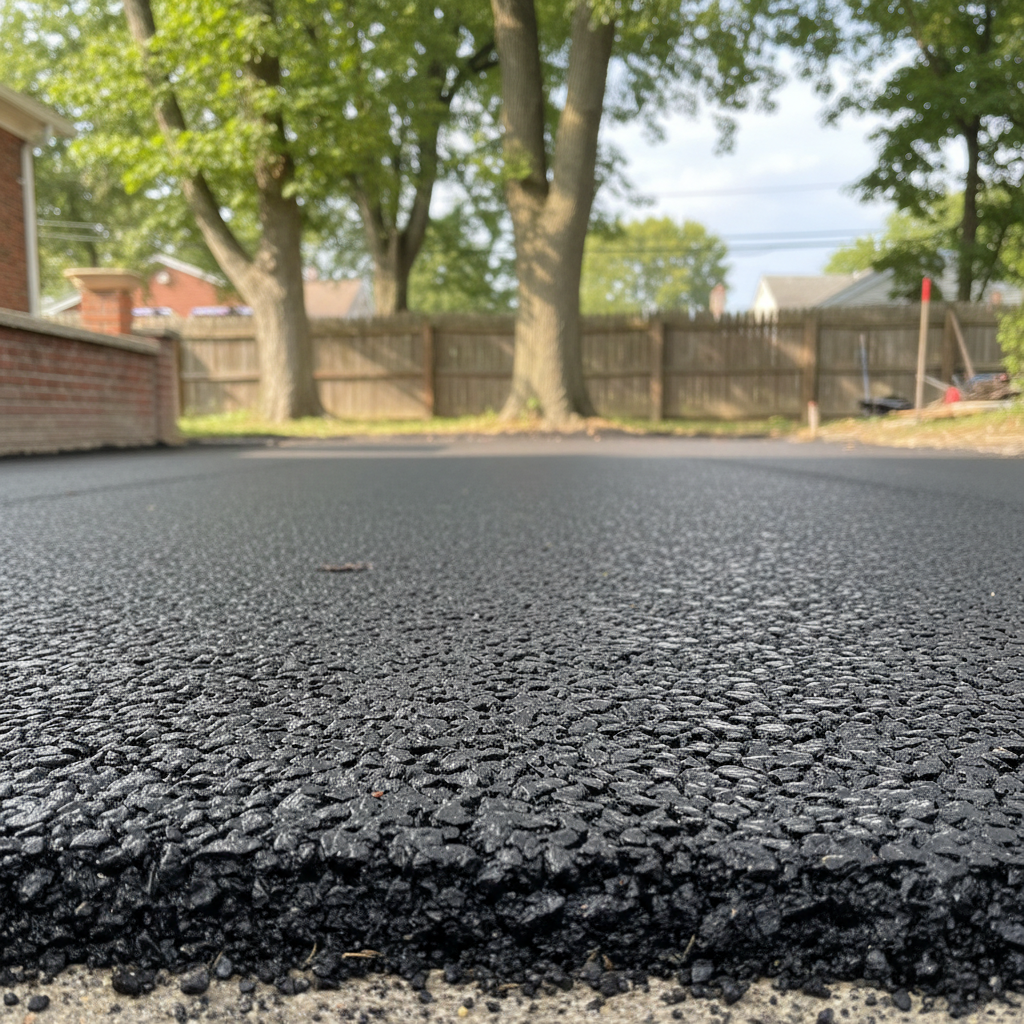
Alright, let's talk commercial asphalt. Now, I know what some of you are thinking: 'Commercial? I'm a homeowner, not running a business!' But hold on a second. Sometimes, a homeowner needs something tougher than a standard residential driveway. Maybe you've got a really long driveway, a shared access road, or you're parking heavy equipment. Or perhaps you just want that extra durability that commercial-grade asphalt offers. It's a different beast, and you need to know what you're getting into.
Before the Shovels Hit the Ground
This is where you can save yourself a ton of headaches and cash. Don't just jump into calling for quotes without doing a little homework. First, figure out exactly what you need this asphalt for. Is it a parking area for a few cars, or are you expecting delivery trucks? The expected load and traffic volume dictate the asphalt mix and the base preparation.
Next, site assessment. You can do some of this yourself. Walk the area. Are there any big puddles after a rain? That tells you about drainage issues, and believe me, drainage is king. If water sits, it'll destroy your asphalt faster than anything else. Look for tree roots, utility lines – anything that might be in the way. You'd be surprised how often folks forget about that old sprinkler line or buried electrical conduit until we hit it!
Now, when it comes to the technical stuff, like soil composition and proper grading, that's where you absolutely need a pro. Here in the Bronx, especially in some of the older neighborhoods like Pelham Bay or City Island, you can run into all sorts of soil conditions, from sandy loam to heavy clay. Each needs a different approach for the sub-base. A good contractor, like us at Quantum Asphalt Solutions, will do a thorough site survey, check the existing ground, and recommend the right base material and thickness. Trying to skimp on the base is like building a house on quicksand – it just won't last.
During the Project: What to Expect
Once you've picked your contractor and the work starts, it's not a bad idea to be around, at least occasionally. You don't need to hover, but knowing what's happening helps. The first thing you'll see is excavation and grading. This is crucial. We're removing the old stuff, or clearing the new area, and shaping the ground so water drains away properly. This isn't just about making it look good; it's about preventing future ponding and ice damage.
Then comes the base layer. For commercial applications, this is usually a thicker, tougher aggregate than what you'd see for a standard residential driveway. It's compacted in layers, sometimes with heavy rollers. This base is what gives your asphalt structural support. Again, this isn't a DIY job. You need heavy equipment and expertise to get the compaction right. If the base isn't solid, your asphalt will crack and rut prematurely.
Finally, the asphalt itself. For commercial jobs, we often use a different mix – sometimes a coarser aggregate, designed for heavier loads. It's laid hot, typically in one or more layers, and then compacted. You'll see steam, you'll smell the asphalt, and you'll hear the rollers. It's a busy site. Make sure you've discussed access with your contractor beforehand. You won't be able to drive or walk on it for a while, usually 24-72 hours, depending on the weather and mix.
After the Paving: Care and Maintenance
The job's done, it looks great, but your work isn't over. The first few months are critical. Keep heavy vehicles off it for as long as possible – ideally a week or more. Don't turn your steering wheel sharply while standing still, especially when it's hot out; that's called power steering scuffing, and it'll leave marks.
Regular cleaning helps. Sweep off dirt and debris. If you see oil or gas spills, clean them up immediately. Asphalt is petroleum-based, so other petroleum products will soften and damage it over time. Kitty litter or sand can absorb fresh spills, then sweep it away.
Cracks will eventually appear. It's just a fact of life with asphalt, especially with our freezing and thawing cycles here in the Northeast. Small cracks, less than a quarter-inch wide, you can usually seal yourself with a good quality crack filler from the hardware store. Follow the directions carefully, clean the crack out first, and apply it when the weather's dry and warm enough for it to cure properly. This is probably the most hands-on maintenance a homeowner can realistically do.
But for bigger cracks, potholes, or if you see areas starting to sink or heave, that's when you call us. Those issues usually indicate a problem with the base or sub-grade, and a quick patch won't fix the underlying cause. You'll need a professional assessment and repair to prevent it from getting worse. And remember, a good sealcoat every few years will protect your investment, extending the life of that commercial-grade asphalt significantly. It's like sunscreen for your pavement.
Final Thoughts
Getting commercial asphalt done right isn't cheap, but it's a long-term investment. Doing your homework, understanding the process, and knowing when to call in the experts will save you money and headaches down the road. Don't be afraid to ask your contractor questions – a good one will be happy to explain everything.