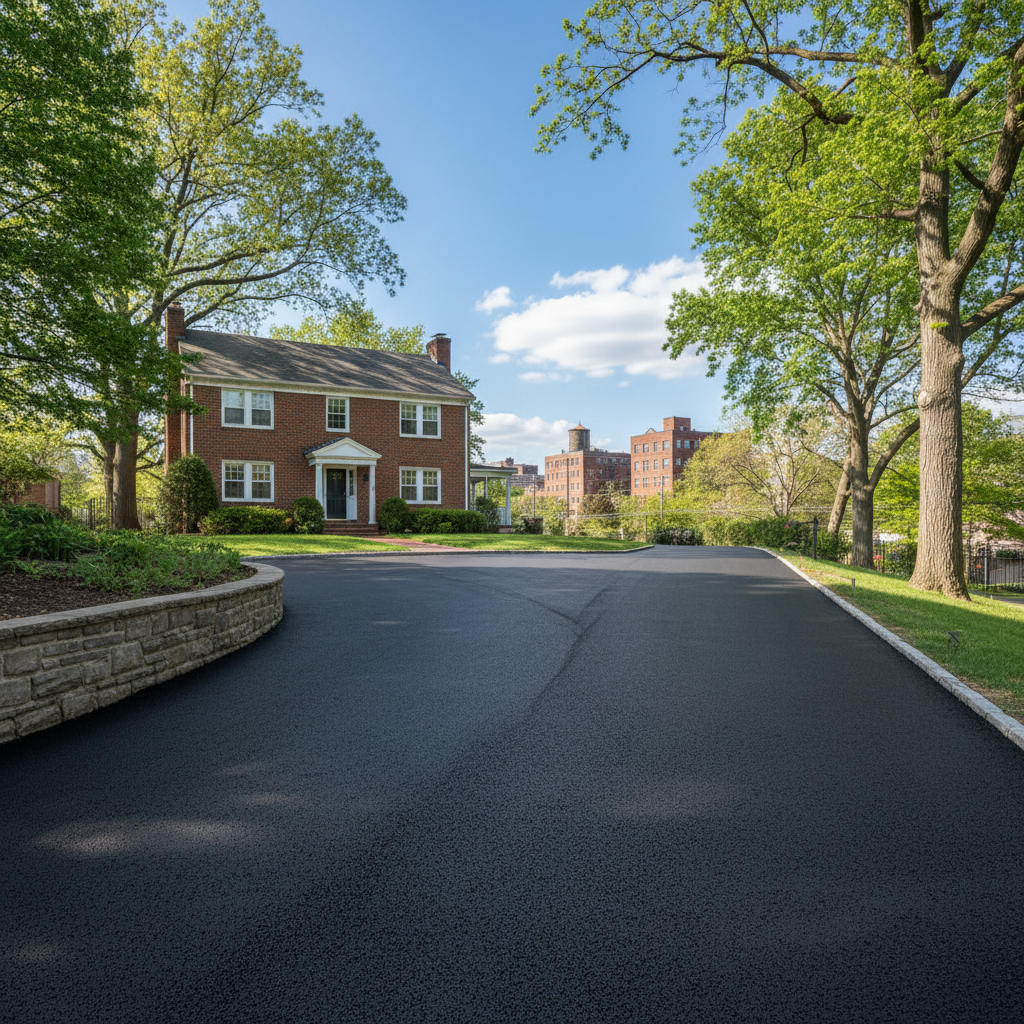
You just dropped good money on a new asphalt driveway or parking lot, right? Or maybe you've had one for a while and you're wondering how to keep it from falling apart. Either way, you want that pavement to last. And believe me, with the kind of winters we get here in the Bronx — those freeze-thaw cycles can be brutal — you can't just pave it and forget it. I've seen too many folks neglect their asphalt only to pay double down the road. Let's talk about what actually works.
Extending Your Pavement's Life: It's Not Rocket Science
Look, asphalt is tough, but it's not indestructible. Its biggest enemies? Water, then sunlight, then heavy loads. If you can control those three things, you're already ahead of the game. First, make sure your drainage is good. If water is pooling on your asphalt, especially near the edges or in low spots, it's going to find its way underneath. Once it's under there and we get a cold snap, that water freezes, expands, and pushes up your pavement. That's how potholes start, and it's a real mess. Check your gutters; make sure they're clear. If you see standing water, deal with it. Sometimes it's just a little low spot that needs a patch; sometimes it's a bigger drainage issue. Don't ignore it.
Sunlight, especially our hot summer sun, dries out the binders in the asphalt. That makes it brittle and prone to cracking. Sealcoating helps a ton with this — think of it as sunscreen for your driveway. And heavy loads? Try not to park your 20-ton delivery truck on your residential driveway every day. Seems like common sense, doesn't it?
What Regular Maintenance Actually Looks Like
This isn't an all-day chore, folks. A little bit of consistent effort goes a long way. Here's what I tell my customers:
- Keep it Clean: Sweep off dirt, leaves, and debris regularly. Organic matter holds moisture against the surface, which is bad news. Plus, dirt can track into cracks and make them worse.
- Address Spills Immediately: Oil, gas, antifreeze – these things are asphalt killers. They break down the petroleum binders. If you spill something, clean it up right away with an absorbent material, then wash the area with a mild detergent. Don't let it sit.
- Sealcoat Every Few Years: This is probably the most important thing you can do. A good quality sealcoat, applied correctly, protects against UV rays, water penetration, and even helps resist minor oil spills. For most residential driveways, every 2-3 years is a good rhythm. For commercial lots with more traffic, you might need it more often.
- Fill Cracks Promptly: This is huge. A small crack is easy and cheap to fix. A crack that turns into a pothole because you ignored it? That's a headache and a lot more money. Use a good quality crack filler. You can do smaller ones yourself, but for anything significant, or if you're not comfortable, call someone like us.
Warning Signs You Can't Ignore
Your asphalt will tell you when it's in trouble; you just gotta know what to look for. Don't wait until it's a disaster.
- Cracks: We're talking about all kinds here. Longitudinal cracks (running with the length of the pavement), transverse cracks (across the width), and especially alligator cracking (looks like alligator skin). Alligator cracking means the base layer is failing, and that's a serious problem.
- Potholes: Obvious, I know, but they start small. Don't let them grow.
- Fading and Discoloration: If your asphalt is looking gray instead of black, it's a sign the surface is oxidizing and losing its flexibility. Sealcoating can often bring it back.
- Raveling: This is when the aggregate (the small stones) starts coming loose from the surface. It means the binder is failing, and your pavement is literally falling apart.
- Standing Water: As I mentioned, if water isn't draining off, it's going to cause problems.
When to Call a Professional (That's Us, Quantum Asphalt Solutions)
Look, I'm a big believer in DIY for small stuff. But there's a point where you need the pros. If you see extensive alligator cracking, large potholes, significant areas of raveling, or if your pavement is sinking or heaving in places, it's time to pick up the phone. These aren't just cosmetic issues; they're structural. Trying to patch over major base failures is like putting a band-aid on a broken leg – it won't hold. We've got the equipment and the know-how to properly diagnose the problem and fix it right, whether it's a simple patch or a full-depth repair. We've been doing this long enough to know what the soil conditions are like in places like City Island or the Grand Concourse, and how that affects your pavement over time. Don't let a small problem turn into a full-blown replacement job. A little proactive maintenance and knowing when to call in the cavalry will save you a lot of grief and cash in the long run.